Heavy periods that interrupt your workday. Bloating that makes your jeans feel tight by noon. A dull pelvic pressure that lingers longer than it should. More women in their 20s and 30s are being told they have fibroids, and many are left wondering why this is happening so early in life. The surprising part is that everyday habits, especially what’s on your plate, may quietly play a role and there is one overlooked pattern most women never connect until it is pointed out later in this article.
Understanding Fibroids in Simple Terms
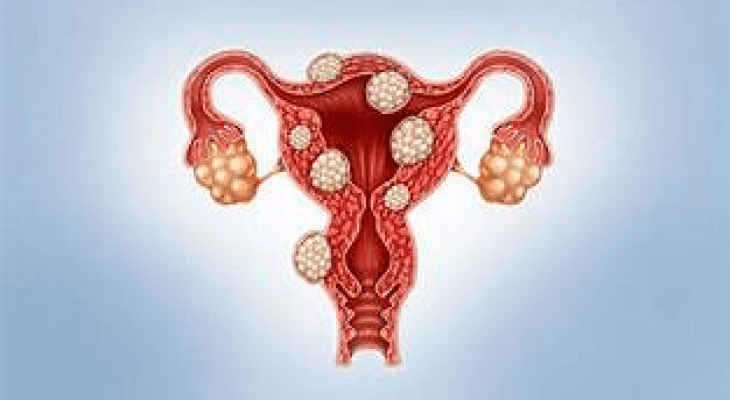
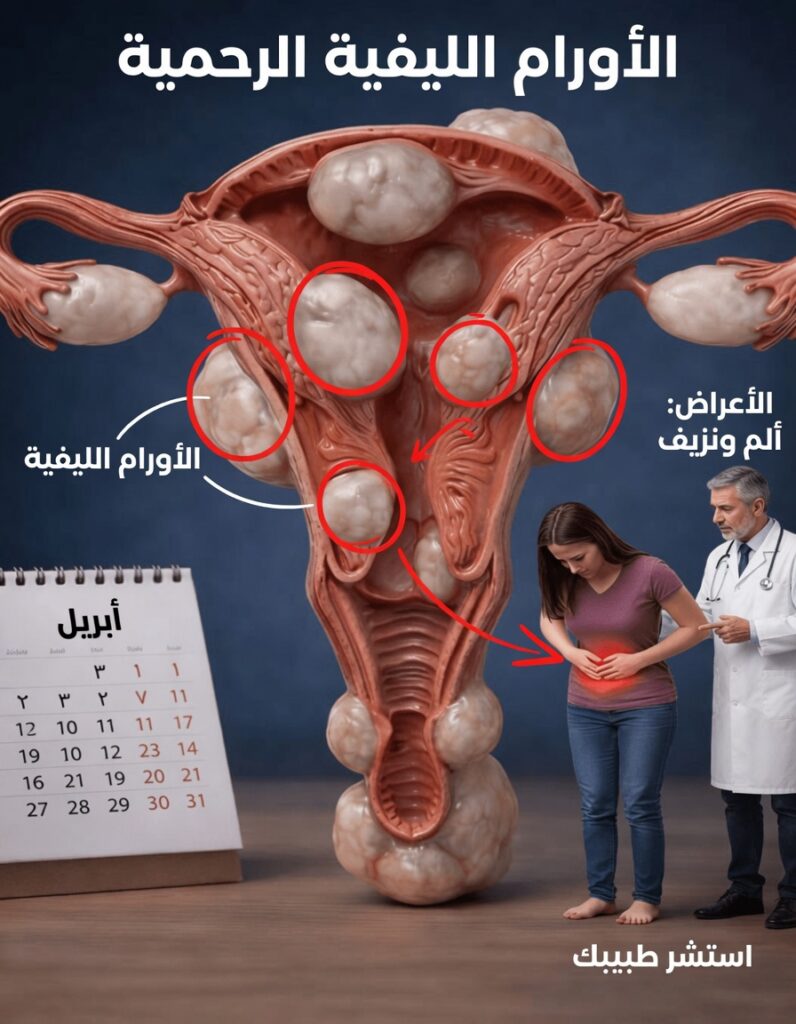
Fibroids are noncancerous growths that develop in or around the uterus. They are extremely common. Research suggests that up to 70 to 80 percent of women may develop them at some point in their lives.
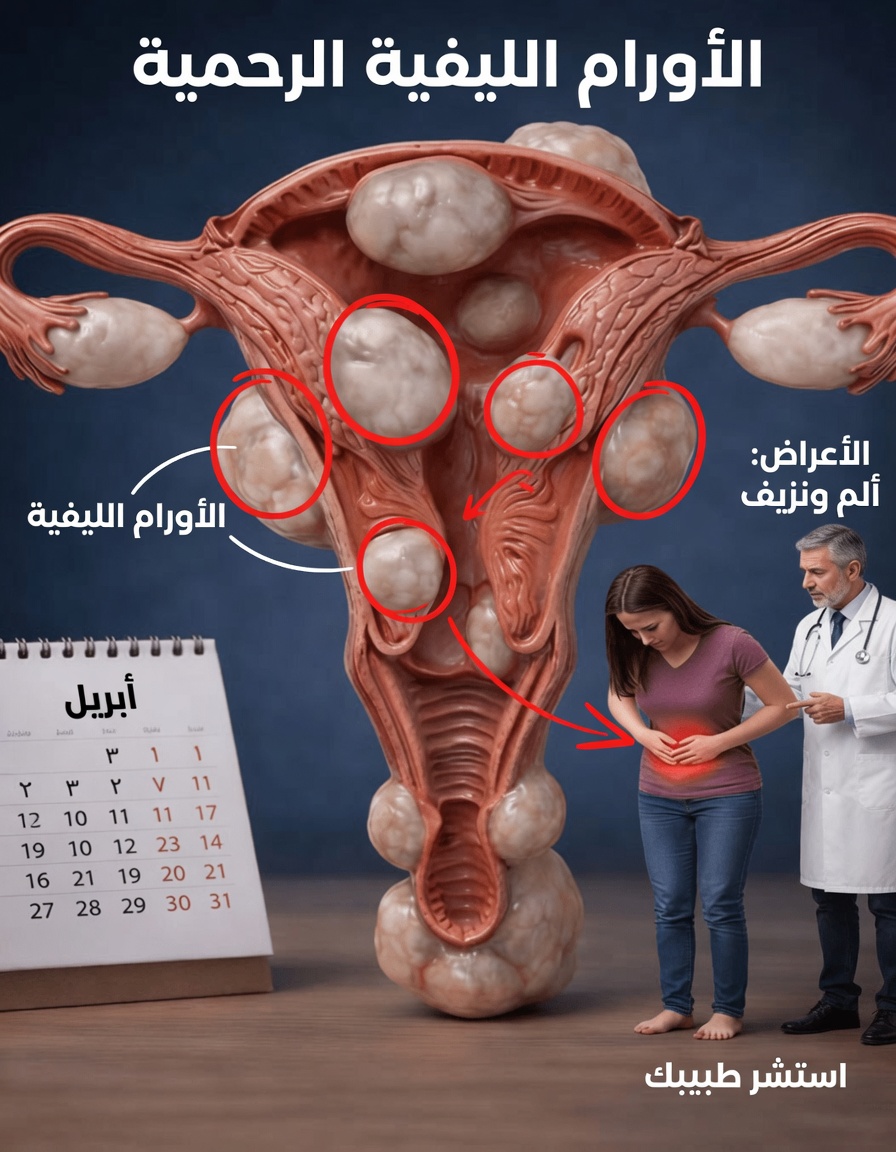
Many women do not notice symptoms. Others may experience:
• Heavier or longer menstrual cycles
• Pelvic pressure or discomfort
• Frequent urination
• Lower back discomfort
• Bloating or abdominal fullness
But here’s what is changing. In recent years, healthcare providers have observed more diagnoses in women in their 20s and 30s, not just in their 40s.
So what is going on?
Let’s break it down.
6 Possible Reasons Fibroids Are Appearing Earlier
1 Hormonal Shifts Are Happening Sooner
Fibroids are strongly influenced by estrogen and progesterone. These hormones support reproductive health, but higher lifetime exposure may encourage fibroid growth.
Today, girls are starting puberty earlier than previous generations. Earlier menstruation means more years of hormonal cycling.
The truth is, more cycles over time may increase the likelihood of fibroid development.
But that is only part of the story.
2 Chronic Stress and Cortisol Imbalance
Modern life is intense. Career pressure, financial stress, lack of sleep, and constant digital stimulation affect hormone regulation.
When stress levels stay high, cortisol levels can remain elevated. Chronic stress may disrupt the delicate balance of reproductive hormones.
Research suggests that long term stress may influence inflammatory pathways in the body. And fibroids are linked to inflammatory processes.
This connection is still being studied, but the pattern is becoming clearer.
3 Environmental Exposures
Certain chemicals in plastics, cosmetics, and processed foods may act as endocrine disruptors. These compounds can mimic estrogen in the body.
Common sources include:
• BPA from plastic containers
• Certain pesticides on nonorganic produce
• Some preservatives in packaged foods
• Synthetic fragrances in personal care products
Over time, consistent exposure may contribute to hormone imbalance.
But that is not all.
4 Rising Rates of Obesity and Insulin Resistance
Body fat is not just stored energy. It is hormonally active tissue.
Higher body fat levels can increase estrogen production. Elevated insulin levels may also stimulate growth factors that influence fibroid development.
Studies have shown that women with higher body mass index may have an increased likelihood of fibroids.
This does not mean weight alone causes fibroids. It simply means metabolic health matters.
And food plays a central role here.
5 Delayed Pregnancy Trends
Many women are choosing to start families later, which is empowering and understandable.
However, pregnancy temporarily changes hormone exposure patterns. Some researchers believe earlier pregnancies may influence fibroid behavior.
Delaying pregnancy is not a cause, but shifting reproductive timelines may alter hormonal exposure in ways we are still understanding.
6 Dietary Patterns That Promote Inflammation
Here is where things get especially interesting.
Modern diets often include:
• Highly processed foods
• Refined sugars
• Excess red and processed meat
• Low fiber intake
• Minimal fresh produce
Research suggests that diets high in processed foods and low in fruits and vegetables may contribute to systemic inflammation and hormone imbalance.
Inflammation does not directly create fibroids overnight. But over time, it may create an internal environment that supports growth.
And this is where many women have more control than they realize.
How Food May Quietly Influence Fibroid Risk
Food does not act as a switch that turns fibroids on or off. But it can influence hormone metabolism, inflammation, and insulin sensitivity.
Here is a simple comparison.
Foods That May Support Hormone Balance
• Leafy greens such as spinach and kale
• Cruciferous vegetables like broccoli and cauliflower
• Berries rich in antioxidants
• Whole grains with high fiber
• Legumes such as lentils and beans
• Omega 3 rich foods like salmon and walnuts
These foods support liver detoxification pathways and help the body process excess estrogen more efficiently.
Foods That May Promote Inflammatory Patterns
• Refined carbohydrates
• Sugary beverages
• Processed meats
• Fried foods
• Excess alcohol
Diets high in these foods may increase inflammation and disrupt blood sugar balance.
And here is the key insight.
Fiber plays a major role in estrogen regulation. When fiber intake is low, estrogen may be reabsorbed in the digestive tract instead of being eliminated.
That subtle recycling process may influence hormonal load over time.
Most women never connect this piece.
Actionable Steps You Can Start Today
You do not need a dramatic overhaul. Small consistent shifts are powerful.
Step 1 Increase Fiber Gradually
Aim for 25 to 30 grams of fiber daily. Start slowly to avoid digestive discomfort.
Add:
• One serving of leafy greens daily
• Half a cup of beans several times per week
• Whole fruit instead of fruit juice
Step 2 Balance Blood Sugar
Stable blood sugar supports hormonal balance.
Try this simple plate method:
• Half your plate vegetables
• One quarter lean protein
• One quarter whole grains
Avoid skipping meals, which may spike cortisol and insulin levels later.
Step 3 Reduce Processed Food Intake
You do not have to eliminate everything at once.
Instead:
• Swap soda for sparkling water
• Replace white bread with whole grain options
• Cook at home two extra nights per week
Small swaps add up.
Step 4 Support Liver Health
The liver processes hormones. Support it with:
• Adequate hydration
• Cruciferous vegetables
• Moderate alcohol intake
Step 5 Manage Stress Intentionally
Remember cortisol.
Incorporate:
• 10 minutes of deep breathing
• Light strength training twice per week
• Regular sleep schedule
Stress reduction is not optional for hormone health.
Step 6 Schedule Regular Check Ins
Routine pelvic exams and discussions with a qualified healthcare provider help monitor changes early.
Awareness empowers better decisions.
But There Is One More Overlooked Factor
Vitamin D levels.
Emerging research suggests that low vitamin D levels may be associated with fibroid development. Many women, especially those working indoors, have insufficient levels.
A simple blood test can provide clarity. Discussing vitamin D status with a healthcare professional may be worthwhile.
This is often the missing piece many women discover later.
The Bigger Picture
Fibroids are common. Having them does not mean you did something wrong.
However, lifestyle patterns influence hormonal balance more than most people realize.
The encouraging part is this.
While no single food guarantees prevention, daily habits shape long term internal environments. Supporting metabolic health, reducing inflammation, and balancing hormones through nutrition and stress management may influence overall reproductive wellness.
Small daily choices matter more than occasional extremes.
Frequently Asked Questions
Are fibroids dangerous?
Fibroids are typically noncancerous. Many women live with them without serious complications. However, symptoms like heavy bleeding or persistent pelvic discomfort should be discussed with a healthcare professional.
Can diet make fibroids shrink?
Diet alone is not a guaranteed solution. However, nutrition influences inflammation, hormo