Persistent stomach discomfort can feel exhausting, especially when you are already trying to be careful. You take your medications, avoid obvious triggers, yet the burning or gnawing pain keeps returning. It can be frustrating and confusing when healing seems slower than expected. The truth is, certain everyday food choices may quietly irritate the stomach lining and interfere with recovery and by the end of this article, you may discover one surprising habit that matters more than you think.
Understanding What Happens Inside the Stomach
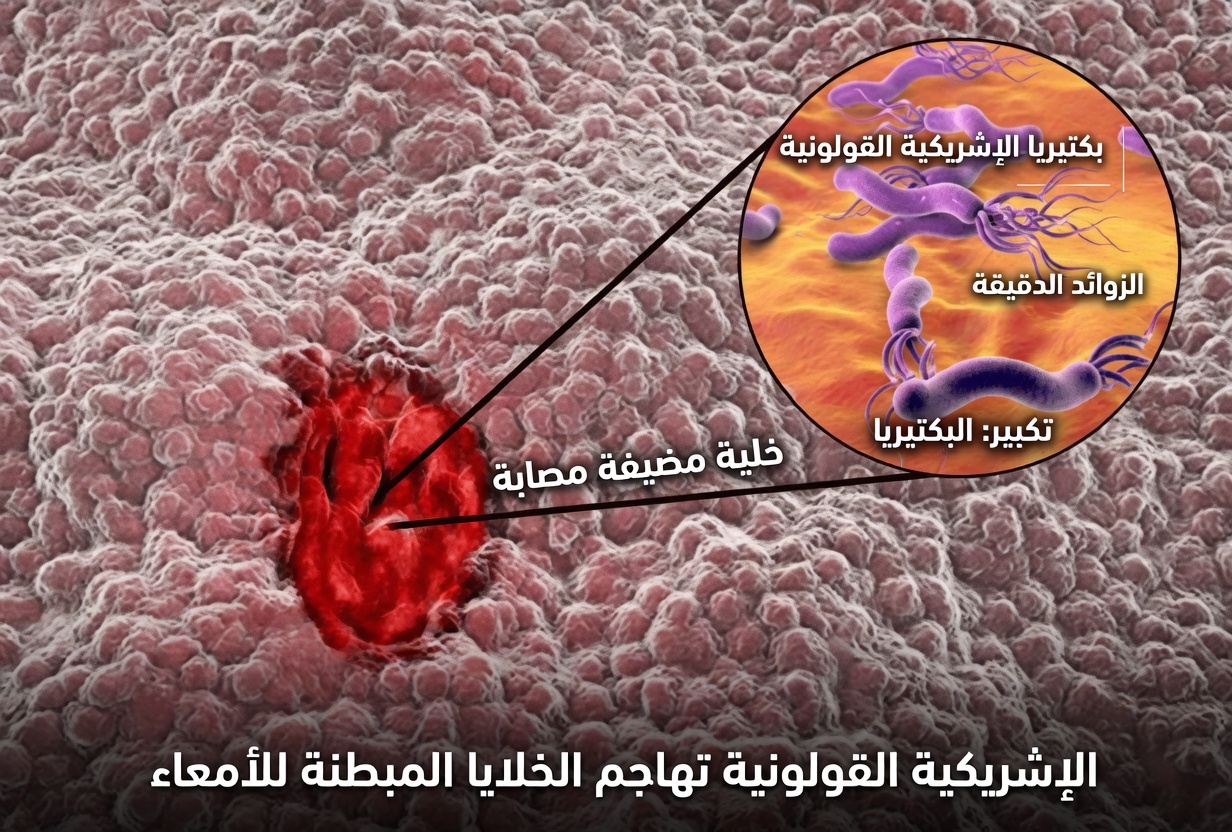
A stomach ulcer is essentially a sore that forms in the lining of the stomach or the upper part of the small intestine, called the duodenum. This lining normally protects the stomach from strong digestive acids.

When that protective barrier becomes weakened, acid can irritate the tissue and create an open sore.
Here is the key point.
Medication can help reduce acid and support healing. But daily habits, especially diet, strongly influence whether the stomach environment becomes calmer or more irritated.
Research published in gastroenterology journals suggests that while food does not directly cause most ulcers, certain dietary patterns can worsen irritation and delay recovery. That distinction is important.
So let us look at what may be working against you.
Foods That May Slow Stomach Healing
Not everyone reacts the same way to food. However, many people with ulcers report increased discomfort after consuming certain items.
- Spicy Foods
Chili peppers, hot sauces, and heavily spiced meals can stimulate acid production and irritate sensitive stomach tissue.
This does not mean spices are harmful for everyone. But if your stomach lining is already vulnerable, intense heat can increase discomfort.
If you notice burning sensations after spicy meals, your body may be giving you useful feedback.
- Fried and High Fat Foods
Greasy foods slow down stomach emptying.
When food remains in the stomach longer, acid stays in contact with the lining for a longer period as well.
Examples include:
• Deep fried snacks
• Fatty cuts of meat
• Fast food meals
• Heavy cream based dishes
This does not mean you must eliminate fat entirely. Moderate portions of healthy fats such as olive oil or avocado are generally easier to tolerate.
- Caffeine and Coffee
Coffee, even decaffeinated versions, can stimulate acid secretion.
That morning cup may feel comforting, but for some people, it increases stomach irritation. The same applies to strong tea and energy drinks.
If symptoms flare after caffeine intake, consider reducing the amount or switching to milder alternatives.
- Alcohol
Alcohol can weaken the stomach’s protective lining and increase acid production.
Occasional moderate intake may not affect everyone the same way. However, frequent or heavy drinking is strongly associated with delayed healing and increased irritation.
According to clinical observations, limiting alcohol is often recommended during periods of stomach discomfort.
- Carbonated Drinks
Sodas and sparkling beverages can cause bloating and pressure in the stomach.
That pressure may worsen discomfort, especially if the lining is already sensitive.
Sugary soft drinks also provide little nutritional benefit, making them a less supportive choice during recovery.
But That Is Not All
Many people focus only on what they eat. Yet how and when you eat can be just as important.
Here is where things get interesting.
Eating Habits That May Make Symptoms Worse
Large, Heavy Meals
Overeating stretches the stomach and increases acid production.
Smaller, more frequent meals often feel easier on the digestive system.
Eating Late at Night
Lying down soon after eating allows acid to move upward and irritate sensitive areas.
Try finishing meals at least two to three hours before bedtime.
Skipping Meals
An empty stomach does not always mean less acid.
In fact, acid continues to be produced, which may irritate the lining when there is no food to buffer it.
Balanced, consistent meals can help maintain stability.
A Quick Comparison: Irritating vs Gentle Food Choices
More Likely to IrritateOften Easier on the StomachFried foodsGrilled or baked optionsVery spicy dishesMildly seasoned mealsAlcoholWater or herbal teaCarbonated drinksStill waterLarge heavy mealsSmaller balanced portions
Remember, this is not a rigid rulebook. Individual tolerance varies.
What Research Suggests About Diet and Ulcers
Scientific literature indicates that most ulcers are linked to factors such as bacterial infection or certain medications. However, diet influences symptom severity and comfort.
Some studies suggest that:
• High fiber diets may support digestive health
• Probiotic containing foods like yogurt may help maintain balance in the gut
• Antioxidant rich fruits and vegetables can support overall tissue health
While food alone does not replace medical care, daily habits create the environment in which healing occurs.
And that environment matters.
Actionable Steps You Can Start Today
Let us move from theory to practical action.
Step 1: Keep a Food and Symptom Journal
For one to two weeks, write down:
• What you eat
• When you eat
• Any discomfort that follows
Patterns often become clear quickly.
Step 2: Reduce One Trigger at a Time
Instead of eliminating everything at once, remove one suspected trigger for several days and observe changes.
This makes the process manageable and sustainable.
Step 3: Shift to Smaller Portions
Aim for five to six smaller meals instead of two or three large ones.
Smaller portions reduce pressure and acid spikes.
Step 4: Choose Gentle Cooking Methods
Prefer:
• Steaming
• Baking
• Boiling
• Grilling
These methods often produce lighter meals compared to frying.
Step 5: Stay Hydrated Wisely
Drink water throughout the day rather than large amounts during meals.
And limit carbonated beverages.
Step 6: Manage Stress
Here is the surprising part many people overlook.
Stress does not directly create ulcers, but it can increase acid production and worsen symptoms.
Simple strategies like deep breathing, light walking, or short relaxation breaks can support overall digestive comfort.
The Habit Most People Overlook
It is not always the spicy food or the coffee.
Sometimes it is consistency.
Healing requires time and stable conditions. Frequently switching between careful eating and heavy indulgence can repeatedly irritate the stomach lining.
Small daily choices, repeated consistently, often matter more than occasional strict efforts.
When to Seek Professional Advice
If you experience:
• Persistent abdominal pain
• Unexplained weight loss
• Vomiting
• Black or bloody stools
It is important to consult a healthcare professional promptly.
Diet supports healing, but it is only one part of the overall picture.
Conclusion
Stomach ulcers do not improve based on medication alone. Everyday food choices and eating habits play a powerful role in how comfortable your stomach feels and how well the lining can recover. By identifying trigger foods, adjusting portion sizes, and maintaining consistent routines, you create a more supportive environment for healing. Small changes, practiced daily, often lead to noticeable improvements over time.
Frequently Asked Questions
- Can certain foods directly cause stomach ulcers?
Most ulcers are linked to bacterial infection or specific medications. However, certain foods can irritate the stomach lining and worsen discomfort.
- Is milk good for soothing an ulcer?
Milk may temporarily coat the stomach, but it can also stimulate acid production later. Moderation and personal tolerance are key.
- How long does it take for a stomach ulcer to improve?
Healing time varies depending on the underlying cause, overall health, and lifestyle habits. Following medical advice and maintaining supportive daily routines can help create favorable conditions.
Disclaimer: This article i