Ever felt a nagging discomfort in your upper belly after meals, making you question if everyday eating habits are quietly affecting an overlooked part of your body? The pancreas quietly handles digestion and blood sugar balance, but certain foods might add unnecessary strain, leading to ongoing inflammation or other health concerns over time. Research highlights how dietary choices could connect to broader wellness patterns, including associations with pancreatic cancer risk factors. Stick around to uncover a key insight at the end that ties it all together in an unexpected way.
Understanding the Pancreas and Why Diet Matters
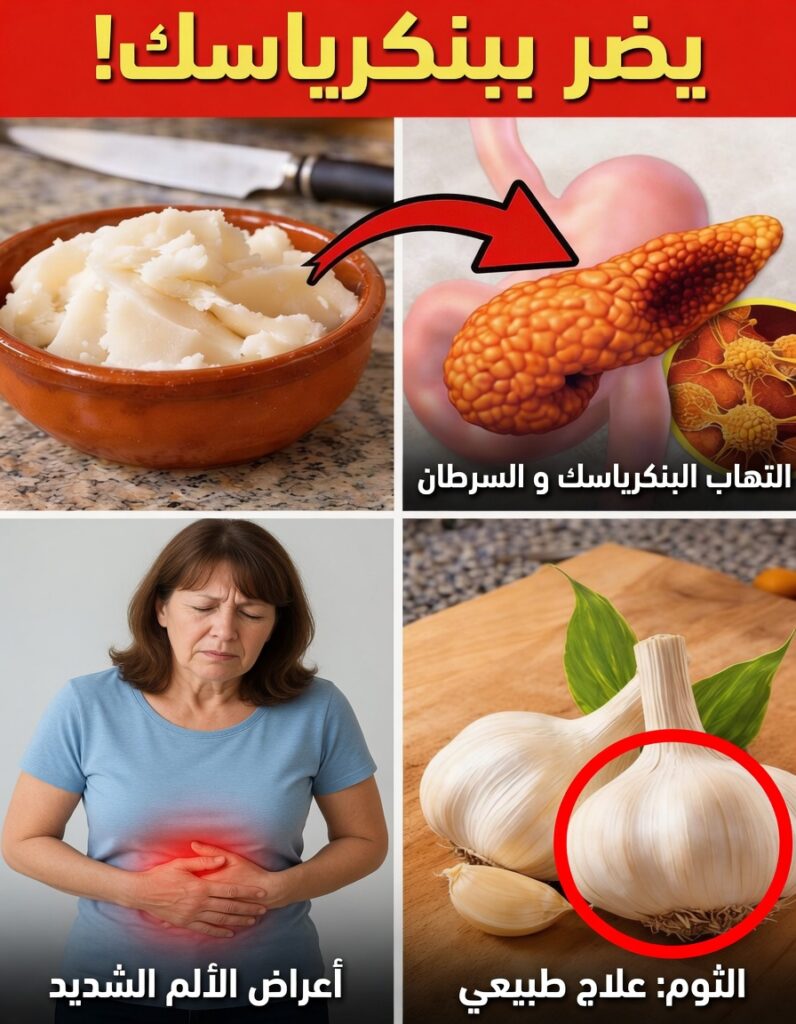
Your pancreas is a small but essential organ tucked behind your stomach, producing enzymes for breaking down food and hormones like insulin for managing blood sugar. When it’s under pressure from poor dietary choices, it can lead to issues like inflammation, which studies suggest may play a role in long-term health. But that’s not all—research from organizations like the American Cancer Society indicates that lifestyle factors, including diet, might influence risk profiles for conditions such as pancreatic cancer.
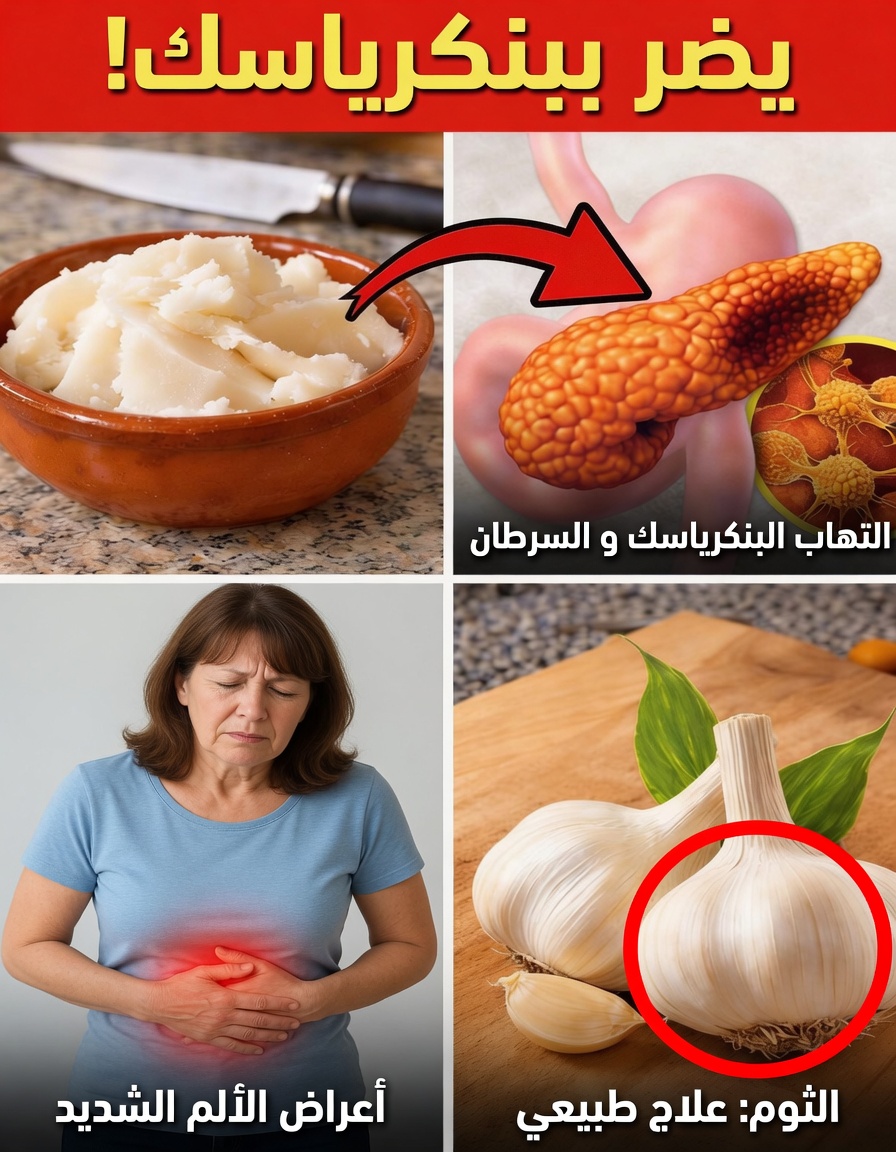
Pancreatic cancer is often hard to spot early, and while no single food directly causes it, patterns in what we eat show up in scientific reviews. Factors like excess weight or smoking can amplify these effects. Here’s the interesting part: multiple studies, including meta-analyses, point to specific food groups that appear more often in higher-risk scenarios.
To make this relatable, think about your daily routine. Do you grab quick snacks or indulge in favorites without a second thought? Let’s explore the top 10 foods that research associates with potential pancreas stress, counting down from least to most concerning based on available data.
- Sugary Beverages and Added Sugars
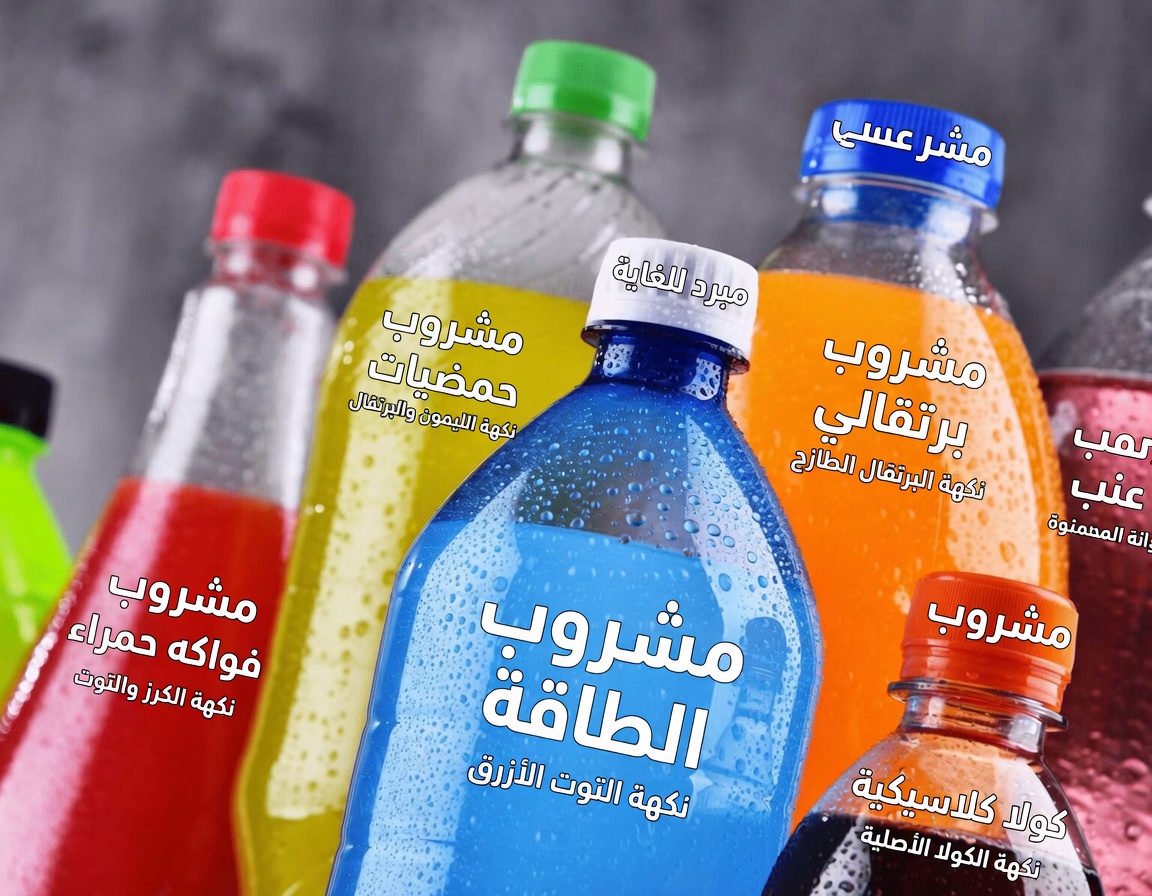
Picture starting your day with a sweetened coffee or reaching for a soda during lunch—these seem like small treats. Yet, prospective cohort studies have linked frequent intake of sugar-sweetened drinks, such as sodas, energy drinks, and juices with added sugars, to patterns of elevated pancreatic cancer risk. The concern stems from how these can lead to spikes in blood sugar and insulin demands, potentially straining the pancreas over years.
One large review of studies found that high consumption of added sugars correlates with metabolic changes that might contribute to inflammation. Ever wonder why that afternoon slump hits after a sugary pick-me-up? It could hint at the body’s response. But wait, this often combines with another common culprit in processed items.
- Fried and Greasy Foods
Those golden fries or crispy snacks from the drive-thru are tempting, but they’re packed with fats that studies suggest may not be kind to your pancreas. Research, including insights from institutions like Johns Hopkins Medicine, indicates that diets high in fried foods could promote oxidative stress and inflammation, which tie into broader health risk patterns.
In experimental models, regular exposure to these foods has been associated with fatty buildup in organs like the pancreas. Feel bloated after a heavy, greasy meal? That might be a subtle sign. Here’s a quick list of red flags for fried foods:
• Often prepared in reused oils that create harmful byproducts when heated.
• Loaded with trans and saturated fats, which research links to body-wide inflammation.
• Frequently paired with salty or sugary sides, compounding the effects.
And the story gets more compelling with the next item on the list.
- Processed Meats Like Bacon, Sausage, and Hot Dogs
Weekend brunches with bacon or a sausage link might feel like a tradition, but processed meats—those cured, smoked, or salted varieties including deli slices and pepperoni—appear frequently in cancer risk discussions. Meta-analyses from sources like the World Health Organization classify them as potentially concerning due to compounds like nitrates and nitrites that form during processing.
Institutions such as Moffitt Cancer Center note associations between higher intake and increased relative risks in observational studies. Is your go-to sandwich adding up over time? The evidence suggests moderation could make a difference. Now, let’s shift to a related category that builds on this.
- Red Meat Such as Beef, Pork, and Lamb
A hearty steak or burger at a barbecue satisfies cravings, but frequent red meat consumption shows up in dose-response analyses as linked to modest increases in pancreatic cancer risk profiles. Studies point to elements like heme iron and saturated fats, plus compounds formed during high-heat cooking, as possible contributors.
A 2025 review of cohorts estimated about a 12% higher relative risk with the highest intake levels, with some data showing stronger patterns in men. What if those weekly grill sessions are more impactful than you think? Moving on, the next one might hit close to home for dairy lovers.
- High-Fat Dairy and Full-Fat Products
Creamy cheeses, whole milk in your cereal, or butter on toast—these comfort staples provide richness but come with saturated fats that some research connects to pancreatic health concerns. While findings are varied, patterns in dietary studies suggest limiting high-fat dairy aligns with recommendations for reducing inflammation risks.
Broader reviews tie saturated fat intake to metabolic shifts that could affect the pancreas. Surprised? Many are, especially when considering how these foods sneak into daily meals. But the truth is, another common habit takes the spotlight next.
Here’s a simple table comparing key food categories and their concerning elements:
Food CategoryKey Concerning ComponentsPotential Link to Pancreas StressProcessed MeatsNitrates, nitrites, saltFormation of harmful compoundsRed MeatHeme iron, saturated fatsOxidative stress, inflammationSugary DrinksHigh fructose, added sugarsHyperglycemia, insulin strainFried FoodsTrans/saturated fats, acrylamidesDigestive burden, oxidative damageHigh-Fat DairySaturated fatsMetabolic and inflammatory effects
This overview highlights overlaps—see how they interconnect?
- Excessive Alcohol Consumption
An evening glass of wine or beer after work feels relaxing, but heavier patterns of alcohol use stand out in research as a factor for pancreas-related issues. The American Cancer Society and pooled analyses classify chronic alcohol as a potential carcinogen, linking it to chronic pancreatitis, which may precede other concerns.
Data shows risk associations increase with three or more drinks daily, even without other factors like smoking. Could your unwind routine benefit from a tweak? Hold on—these next items often lurk in everyday packaging.
- Ultra-Processed Foods High in Sugar and Fat
Snack packs of chips, cookies, or donuts from the store combine refined carbs, sugars, and fats in ways that large case-control studies associate with higher pancreatic cancer risk patterns—sometimes doubling or tripling in extreme comparisons. These contribute to weight gain, a known risk amplifier.
Western diet studies emphasize how these foods disrupt metabolic balance. Feeling the pull to grab them on the go? You’re not alone, but awareness is key. The following sweet spot intensifies the issue.
- High-Sugar Desserts and Sweets
Indulging in cakes, candies, or ice cream after dinner brings joy, but prospective studies from cohorts like those in Sweden link high-sugar treats to trends in elevated risks through blood sugar spikes and ongoing insulin demands.
Research suggests these rapid changes might add metabolic stress to the pancreas. That post-dessert fatigue? It could be more telling. But there’s more—these often pair with preserved options ahead.
- Salted, Pickled, and Smoked Foods
Beyond meats, salted snacks or pickled items carry high sodium and potential compounds from preservation methods that overlap with risk discussions in studies. Smoking techniques can intr