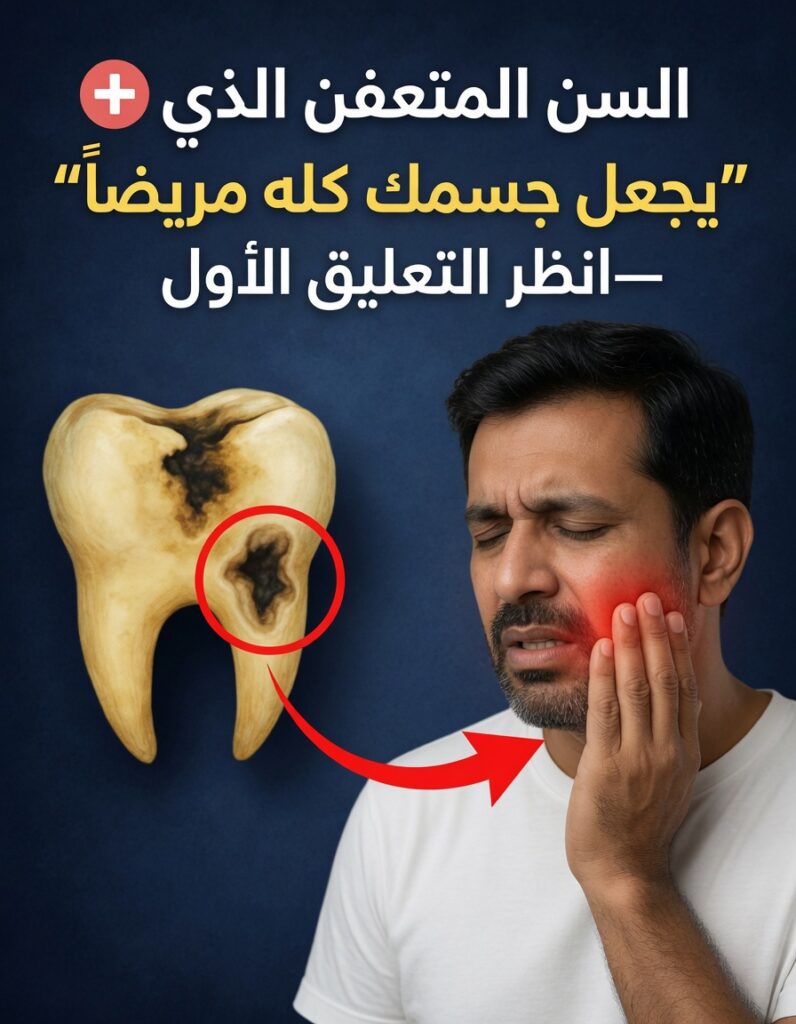
Persistent fatigue, unexplained aches, and a constant feeling of being unwell can be incredibly frustrating. You try to eat better, sleep more, and manage stress, yet something still feels off. What many people overlook is that a small issue inside the mouth, such as a single decayed tooth, may quietly contribute to ongoing inflammation in the body. By the end of this article, you will understand how oral health connects to overall wellness and discover simple habits that could make a meaningful difference.
The Surprising Link Between Oral Health and the Rest of the Body
At first glance, a cavity might seem like a local problem limited to one tooth. However, the mouth is not isolated from the rest of the body. It is part of a complex system connected by blood vessels, nerves, and the immune system.
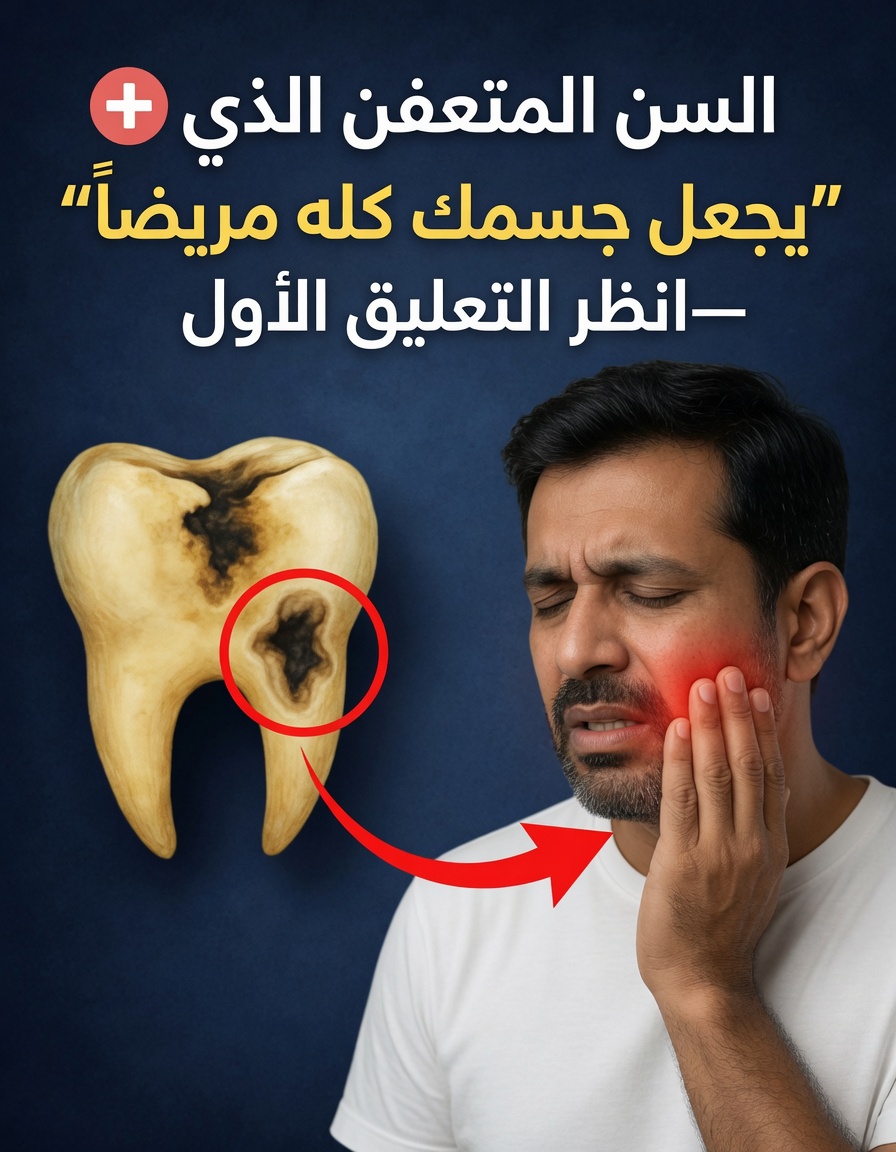
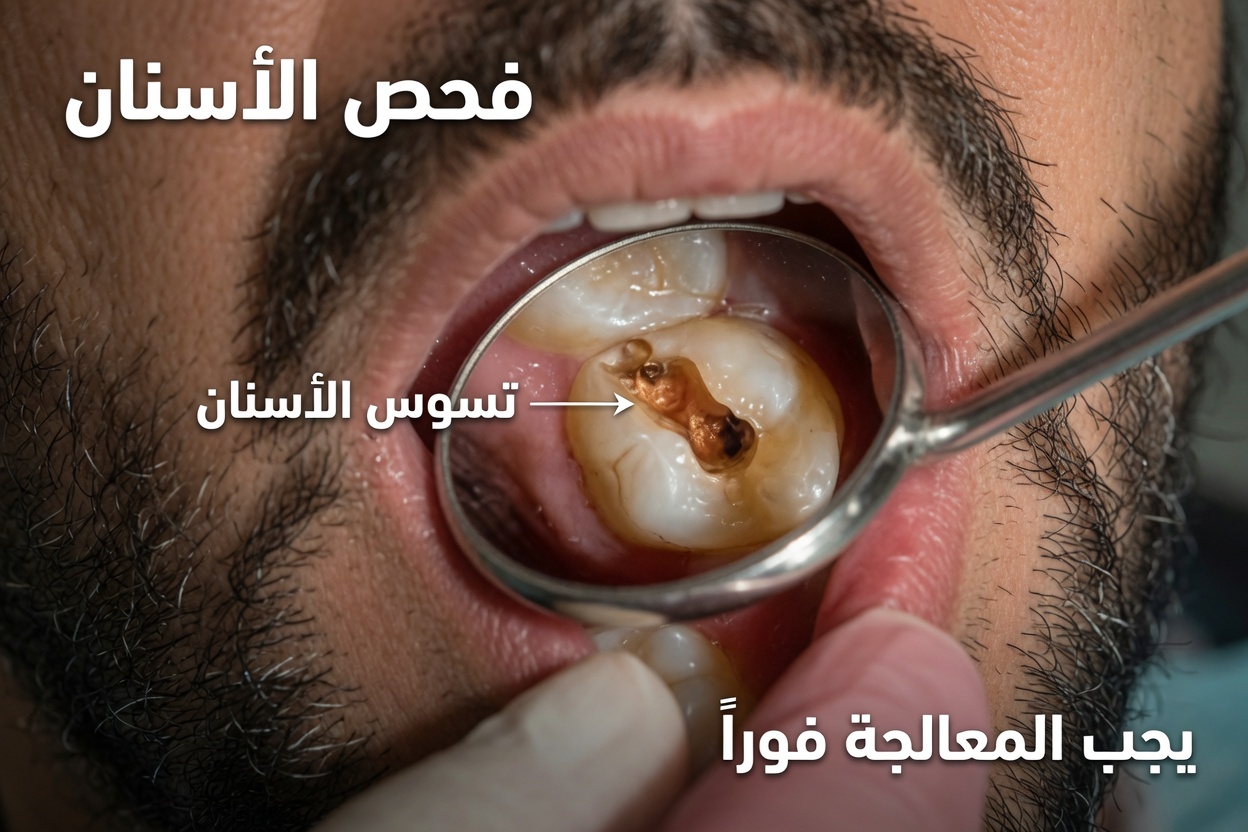
When a tooth decays, bacteria can multiply inside the damaged area. If left unaddressed, this bacterial buildup may irritate the surrounding gums and tissues. The body responds with inflammation, which is a natural defense mechanism.
But here is the key point. Inflammation is helpful in short bursts. When it becomes ongoing, it can place extra strain on the immune system.
Research published in peer reviewed dental and medical journals suggests that poor oral health is associated with higher levels of systemic inflammation markers. While this does not mean a cavity directly causes serious illness, it does highlight how closely oral and general health are connected.
And that is just the beginning.
What Happens Inside a Decayed Tooth
To understand the broader impact, it helps to know what occurs during tooth decay.
Step by Step Process of Decay
• Plaque forms on the tooth surface from food particles and bacteria.
• Bacteria produce acids that weaken tooth enamel.
• A cavity develops as enamel breaks down.
• If decay reaches deeper layers, the inner pulp can become irritated.
The pulp contains nerves and blood vessels. When bacteria reach this area, the immune system reacts more aggressively. This can lead to swelling, discomfort, and in some cases infection.
Here is the important part. The immune response does not stay confined to one tiny spot. Chemical signals released during inflammation can circulate throughout the body.
But that is not all.
How Chronic Inflammation Affects the Body
Inflammation is not inherently bad. It helps your body respond to injury and fight harmful microbes. Problems arise when inflammation becomes persistent.
Chronic inflammation has been linked in scientific literature to several long term health concerns, including:
• Heart and blood vessel issues
• Blood sugar imbalance
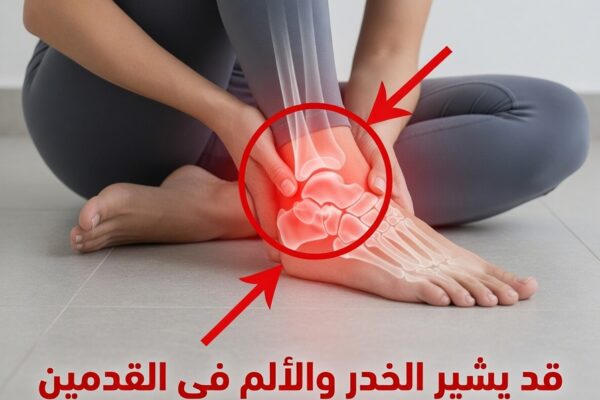
• Joint discomfort
• Increased fatigue
Again, this does not mean a single tooth automatically leads to these conditions. However, ongoing oral inflammation may add to the total inflammatory burden your body is already managing.
Think of it this way. Your body has a certain capacity to handle stressors. Poor sleep, processed food, emotional stress, and lack of exercise all contribute. An untreated dental issue can quietly become another piece of that puzzle.
The truth is, small daily habits matter more than we realize.
Signs Your Tooth May Be Affecting More Than Just Your Mouth
Sometimes dental problems are obvious. Other times they are subtle.
Watch for these potential warning signs:
• Persistent bad breath
• Bleeding or swollen gums
• Sensitivity to hot or cold foods
• Dull jaw discomfort
• General feeling of low energy
If these symptoms linger, it may be worth scheduling a dental evaluation. Early attention can prevent minor concerns from becoming more complicated.
And here is the interesting part. Many people report feeling better overall after resolving chronic oral irritation. While individual experiences vary, it reinforces the idea that oral health supports whole body wellness.
Why the Immune System Cares About Your Teeth
Your immune system constantly monitors for threats. When bacteria from a decayed tooth multiply, the immune response activates repeatedly.
Over time, this repeated activation may contribute to:
• Elevated inflammatory markers
• Increased oxidative stress
• Greater immune system workload
According to several observational studies, people with healthier gums tend to have lower levels of certain inflammatory markers in the blood. While more research is still ongoing, experts widely agree that maintaining good oral hygiene is part of preventive health.
In other words, caring for your teeth is not just about your smile. It is about supporting your entire system.
But how exactly can you protect yourself?
Practical Daily Habits That Support Oral and Whole Body Health
This is where you gain control. Small consistent actions can create powerful results over time.
- Brush Effectively Twice a Day
Use a soft bristled toothbrush and fluoride toothpaste. Spend at least two minutes brushing, reaching all surfaces of each tooth.
Gentle circular motions work better than aggressive scrubbing.
- Do Not Skip Flossing
Flossing removes debris between teeth where brushing cannot reach. This reduces bacterial buildup and lowers gum irritation.
If traditional floss feels difficult, consider floss picks or a water flosser.
- Rinse Wisely
An antimicrobial mouth rinse may help reduce bacteria. Look for products recommended by dental professionals.
Avoid overusing harsh solutions that can disrupt natural oral balance.
- Schedule Regular Dental Checkups
Professional cleanings remove hardened plaque that home care cannot. Early detection of cavities prevents deeper damage.
Most adults benefit from a checkup every six months, though your dentist may suggest a different schedule.
- Support Your Immune System
Healthy habits outside the bathroom also matter.
Focus on:
• Balanced meals rich in vegetables and whole foods
• Adequate hydration
• Consistent sleep routines
• Stress management practices such as walking or breathing exercises
When your immune system is strong, your body handles inflammation more efficiently.
Comparing Healthy Tooth Versus Untreated Decay
Below is a simple comparison to highlight the difference:
Healthy Tooth
• Strong enamel surface
• Balanced oral bacteria
• Minimal gum irritation
• Lower inflammatory burden
Untreated Decay
• Weakened enamel
• Bacterial overgrowth
• Gum inflammation
• Increased immune system activity
Seeing it side by side makes the impact clearer. A small cavity may seem minor, but over time it can influence broader processes.
Addressing Common Myths
Let us clear up a few misconceptions.
Myth 1 A Cavity Is Just Cosmetic
In reality, decay is a bacterial process. Left alone, it can progress deeper into the tooth and irritate surrounding tissues.
Myth 2 If It Does Not Hurt It Is Not Serious
Pain is not always the first sign. Some decay progresses silently until it becomes more advanced.
Myth 3 Brushing Harder Is Better
Aggressive brushing can damage enamel and gums. Gentle and consistent care is far more effective.
Understanding these truths empowers you to make better decisions.
The Bigger Picture of Preventive Health
Modern health experts increasingly emphasize prevention rather than reaction. Oral hygiene fits perfectly into this philosophy.
According to global health organizations, oral diseases are among the most common health conditions worldwide. Yet they are also largely preventable with routine care and education.
When you improve your oral habits, you are not just preventing cavities. You are supporting a healthier inflammatory balance throughout your body.
And here is the open loop we mentioned earlier. The unexpected secret is that improving one small daily habit, such as two minutes of mindful brushing, can ripple into better energy, confidence, and long term wellness.
Small actions compound over time.
Conclusion
A single decayed tooth might appear insignificant, but it can contribute to ongoing oral inflammation tha